
AI Performance Tracking: Separating Useful Metrics from Hype to Improve Strength Gains
An evidence-first guide to AI metrics that actually improve strength gains—and the ones that are just hype.
AI is flooding strength and conditioning with dashboards, scores, and glossy promises. Some of those tools can sharpen workload management and injury prevention, while others are just fancy labels on noisy data. For coaches and athletes, the real challenge is not collecting more numbers; it is identifying which AI-derived metrics actually improve decisions about training, recovery, and progression. This guide breaks down the metrics that matter, the ones that are mostly marketing fluff, and the checkpoints you can use to validate any system before you trust it with your program.
The goal is simple: better strength gains with less guesswork. That means treating AI as a decision-support layer, not a replacement for coaching judgment. When used well, AI can help you spot trends earlier, personalize loading, and reduce blind spots in fatigue monitoring. When used badly, it can create false confidence, encourage over-automation, and distract from the basics of progressive overload, sleep, nutrition, and consistent execution.
Why AI Metrics Matter in Strength Training
From simple logging to decision intelligence
Traditional training logs tell you what happened, but they often lag behind reality. AI-powered systems promise to interpret patterns faster by combining session data, wearable data, and historical performance into a digestible signal. That sounds useful because coaches do not just need more data; they need better timing for decisions such as when to push, when to hold, and when to deload. The best AI metrics work like a smart assistant that highlights the signal without hiding the underlying numbers.
This is where the distinction between data and decisions becomes critical. A readiness score is not inherently valuable because it exists; it is valuable only if it helps you choose a lighter top set, swap an exercise, or keep a high-intensity session on track. If a metric does not alter the plan in a way that improves outcomes, it is noise. That is why data literacy matters as much as the software itself, and why coaches should understand how metrics are built rather than taking them at face value.
Why busy athletes need fewer, better KPIs
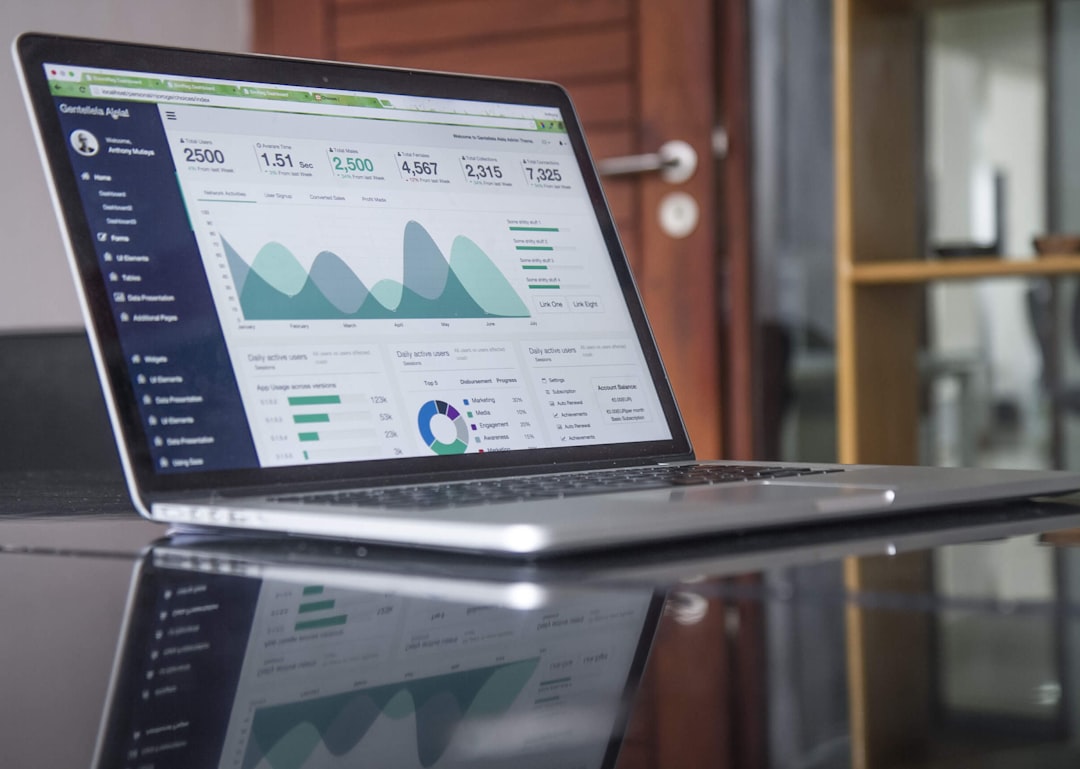
Busy lifters often do better with a handful of meaningful KPIs than with a dozen overlapping dashboards. The same principle shows up in business and tech: teams get better outcomes when they choose a few reliable indicators instead of tracking every possible variable. A useful parallel is building a portfolio-style dashboard, where the point is not to admire charts but to act on them. In strength training, the right KPI stack can mean weekly top-set velocity, session RPE, body mass trend, and sleep quality—nothing more complicated than necessary.
Pro Tip: If a metric does not help you make one of three decisions—add load, keep load, or reduce load—it is probably a vanity metric for your situation.
AI is most useful when humans stay in the loop
The best systems do not claim to replace coaching; they enhance it. That is the same direction the wider fitness tech industry has moved toward, with more emphasis on guided experiences that combine AI and real-time data rather than passive data dumps. In practice, coaches still need to interpret the athlete’s context: travel, stress, sore joints, bad sleep, and motivation. AI can surface patterns, but the coach decides whether those patterns are relevant enough to change the plan.
The Metrics That Actually Predict Strength Progress
Velocity-based training: the strongest AI-adjacent signal
If you want one metric that consistently earns its place in a strength program, it is bar velocity. Velocity-based training gives you objective feedback on how quickly a load is moving, which can help estimate fatigue, readiness, and proximity to failure. In simple terms, if a weight is moving slower than expected at a given load, you may be more fatigued than usual, under-recovered, or carrying hidden stress. That makes velocity useful for autoregulation and load prescription, especially for athletes who train heavy often.
Velocity is not magic, though. Its value depends on measurement quality, exercise selection, and consistent setup. A poorly calibrated camera or sensor, inconsistent bar path, or changing equipment can distort the signal. Still, when the system is validated and the same lift is repeated under similar conditions, velocity can be a powerful coaching tool for tracking daily readiness and tracking whether strength is improving at a given load.
Readiness scores: useful only when validated against real performance
Readiness scores are among the most marketed AI metrics, but they are only useful if they correlate with actual training output. A score generated from heart rate variability, sleep duration, resting heart rate, and training history may capture general recovery status, but it is not automatically predictive of how you will perform on a squat or bench session. The question is not whether the score looks sophisticated; the question is whether it reliably anticipates your bar speed, rep quality, or top-set performance on the lifts that matter.
One practical way to treat readiness scores is as a flag, not a verdict. If the score is low, you investigate: Did sleep drop? Was the athlete unusually stressed? Is there muscle soreness from a hard eccentric session? This is where coaching decisions still matter. A readiness score should never override clear performance indicators if the athlete is moving well and warming up normally.
Fatigue monitoring: trends beat single-day drama
Fatigue monitoring becomes valuable when you stop obsessing over one day’s number and start watching the trend. A single bad score might reflect a late meal, an inconsistent sleep night, or a random data artifact. The better use of fatigue monitoring is to detect accumulation across a microcycle or mesocycle so you can manage stress before performance drops. If you are seeing slower warm-up reps, reduced bar speed at moderate loads, and higher perceived effort across multiple sessions, you are likely observing meaningful fatigue.
This is also why fatigue monitoring should always be paired with context. A good system blends output data with subjective feedback and training history, much like how AI workload tools in sport are most effective when they account for schedule density and athlete status. For lifters, the best warning signs are repeated, not isolated. The trend tells you when to adjust volume, intensity, or exercise selection before progress stalls.
Metrics That Sound Smart but Often Miss the Point
Composite readiness scores without transparent inputs
Some systems hide the recipe behind the score. That is a problem because if you cannot see what drives the metric, you cannot judge whether it matches your training context. A readiness score based on a proprietary mix of sleep, movement, mood, and wearable data may be reasonable, but if the formula changes silently, its meaning changes too. That makes it hard to validate, and harder still to use in coaching conversations.
Transparency matters because different athletes need different inputs. A powerlifter peaking for a meet may care more about velocity trends and bar consistency than a broad wellness score. A team sport athlete with chaotic travel might need more attention to cumulative load and sleep disruption. If a platform cannot explain how it derives the score, or what happens when the data is missing, be skeptical.
Overly granular fatigue indices that do not change training
Some AI dashboards produce extremely detailed fatigue indices that look impressive but do not improve decision quality. If the score changes from 71.4 to 69.8 and you have no idea what that means for today’s session, you have learned almost nothing. Good metrics should create action thresholds, not confusion. When a system requires a data scientist to interpret it, it is usually too complex for practical coaching.
That is why the strongest systems keep the output simple enough for real-world use. They might say: maintain load, reduce volume by 10 percent, or cap sets at RPE 7. Those recommendations can be tested immediately. Anything more abstract may belong in research, not daily programming.
Camera-based form scores without outcome validation
Motion analysis has real potential, but form scores are often oversold. A camera may detect bar path deviation, depth consistency, or asymmetry, yet those signals only matter if they predict injury risk or performance outcomes. A squat that looks imperfect on video is not automatically problematic if the athlete is strong, pain-free, and progressing. Conversely, a visually clean movement can still be inefficient if it does not help the athlete lift more safely or consistently.
For a broader perspective on the promise and limits of motion analysis, it is useful to compare it with other tech-forward fitness tools like fit tech innovations and the practical lessons behind AI observability dashboards. The pattern is the same: metrics are only valuable when they are tied to business—or in this case, training—outcomes. If a score does not predict strength, reduce injury risk, or improve coaching efficiency, it is mostly cosmetic.
How to Validate AI Metrics Before You Trust Them
Step 1: Ask what the metric is supposed to predict
Validation starts with a clear question. Is the metric supposed to predict same-day performance, weekly adaptation, long-term strength gains, or injury risk? Those are different targets, and one metric rarely excels at all of them. A readiness score may be decent at flagging acute recovery, while velocity may be better at predicting session quality, and workload trends may be better at showing cumulative stress.
If the vendor cannot tell you the outcome the metric was designed to predict, that is a red flag. You should also ask whether the model was validated on your sport, your training age, and your population. Elite powerlifters, recreational lifters, and field athletes do not produce identical data patterns, so a generalized score may miss the mark.
Step 2: Compare against a real-world reference
The easiest way to validate a metric is to compare it with something observable. For example, check whether a low readiness score actually lines up with slower bar speeds, lower top-set performance, or higher RPE. If it does, the metric may be useful. If it regularly says an athlete is “not ready” while the athlete is setting rep PRs, the signal needs scrutiny.
Think of this like auditing a system before deployment. In other industries, people use structured checks to judge whether a dashboard really reflects the underlying process, and training should be no different. Coaches can borrow the mindset behind real-time observability by asking whether the metric is stable, interpretable, and connected to action. If it fails those tests, do not build your program around it.
Step 3: Test for consistency across weeks, not one session
A metric that works only once is not reliable. You want repeatability across multiple weeks and training blocks. If velocity predicts performance on squat day, does it still do so after a deload, during a calorie deficit, or after a travel week? If readiness scores bounce around without matching actual output, the system may be too noisy for coaching use.
Consistency also matters across athletes. A metric might be excellent for one lifter and useless for another, especially if their sleep patterns, stress levels, and training histories differ. That is why pilots should always include multiple athletes or multiple mesocycles before a tool is adopted as standard practice.
A Practical Framework for Coaches and Athletes
The three-layer KPI stack
A useful AI performance stack has three layers. First are output metrics such as top-set velocity, estimated 1RM, or rep performance. Second are recovery metrics such as sleep, soreness, and readiness scores. Third are context metrics such as travel, stress, and nutrition compliance. When these layers are viewed together, they give you enough information to make smarter coaching calls without drowning in detail.
This approach mirrors how disciplined decision-makers compare options in other markets: they look at performance, cost, and reliability together rather than chasing a single flashy feature. For example, if you have ever used a feature-first buying guide, you already understand the principle. The best technology is not the one with the most features; it is the one that solves the real problem with the least friction.
Checkpoint for weekly planning
Before you start each training week, ask four questions: Did last week’s output trend upward, hold steady, or fall? Did readiness and fatigue metrics align with the athlete’s subjective report? Did any exercise show a clear sign of poor recovery or poor tolerance? And did the data lead to a concrete programming decision? If the answer to the last question is no, the system may be collecting information without improving coaching.
For athletes, this checkpoint can be simplified into one rule: if the metric changes your warm-up, top-set, or accessory volume, it is useful; if it only changes your mood, it is probably not. A metric earns its place by changing behavior in a way that improves training quality. Otherwise it becomes another dashboard to glance at and ignore.
Checkpoint for monthly review
Every four weeks, review whether the data improved the outcome you care about most. Did the athlete’s estimated 1RM rise? Did velocity at submaximal loads improve? Did the number of sessions derailed by fatigue drop? If the answer is yes, the system is doing its job. If not, you may need to simplify the setup, remove noisy inputs, or switch to a more transparent tool.
This is the same logic behind portfolio-style performance review systems: the dashboard should help you allocate effort, not just document activity. In strength training, that means keeping the metrics tightly tied to outcomes that matter. The cleaner the link between data and decision, the more likely the system will help you get stronger.
How to Use Velocity, Readiness, and Fatigue Data in Real Training
Velocity-based training in the main lift
Use velocity where it is most repeatable: primary compound lifts such as squat, bench press, deadlift, and their close variations. Establish baseline bar speed ranges for different intensities and note how those ranges change as the athlete gets fitter. When a prescribed load suddenly moves slower than usual, you may choose to cap volume or reduce load. When a load moves unusually fast, you may safely progress more aggressively.
Be careful not to turn velocity into a fetish. The point is not to “win” the velocity score but to improve training quality and manage stress. If the athlete is chasing faster bar speed by cutting depth, shortening range of motion, or changing technique, the metric has started to distort behavior. Good coaching keeps the metric honest.
Readiness scores for adjustment, not absolution
Readiness scores are best used as one input among several. If the score is low but the athlete feels good and the warm-up is moving well, you may still proceed with the plan while keeping an eye on fatigue. If the score is high but the athlete reports pain, poor sleep, or unusual stress, you should not blindly load the bar. The score informs the conversation; it does not decide it.
This is one reason why coach-athlete communication remains central even in advanced systems. The future of fitness tech is moving toward two-way interaction, not one-way broadcasting, similar to the evolution described in fit tech coverage. In practice, the athlete’s report and the objective data should challenge each other until the best plan emerges.
Fatigue monitoring to plan deloads and pivots
Fatigue data should help you decide when to keep pushing and when to pivot. If volume tolerance drops, sleep worsens, and bar speed slows across several sessions, a deload may be the smartest choice. If only one variable looks off, you may simply adjust exercise selection or reduce the number of hard sets. The point is to prevent one bad week from becoming a bad block.
Great fatigue management can be the difference between steady gains and frustrating plateaus. The underlying logic is similar to predictive workload management in sport: you are trying to reduce avoidable breakdowns while preserving enough stimulus to adapt. In the gym, that means using data to keep the athlete training hard enough to grow, but not so hard that progress collapses.
Building a Data-Literate Coaching Culture
Teach the athlete what each metric means
Data only helps if the athlete understands it. If you tell someone their readiness score is low without explaining what that means, they may either panic or ignore it. Coaches should spend time explaining how metrics are created, what they can and cannot tell you, and what kinds of decisions they influence. That turns the system from a mysterious app into a practical coaching tool.
When athletes understand the logic, compliance improves. They stop chasing perfect scores and start focusing on outcomes that matter: quality sleep, consistent food intake, honest session feedback, and repeatable execution. That shift in mindset often matters more than any single metric improvement.
Use dashboards to support, not replace, conversation
A dashboard is not the coaching relationship. It is a record of patterns that should prompt better questions. If the athlete’s numbers are declining, ask whether the cause is load, lifestyle, or stress. If the numbers are improving, ask whether the trend is sustainable or just a short-term spike. The best dashboards create more useful conversations, not fewer.
This principle also applies in digital product design. Systems that feel effortless often hide complexity in the background, much like guided digital experiences that only work well because they are tied to live context. In strength coaching, the live context is the athlete’s body, mind, and schedule. AI should make that context easier to read.
Keep a feedback loop for continuous improvement
Your metric stack should evolve. If a score stops matching performance, change the system or remove it. If a new metric consistently improves decisions, keep it. Build a simple feedback loop: collect, compare, decide, review. This keeps the process honest and prevents dashboards from becoming permanent even when they stop earning their keep.
That kind of disciplined iteration is exactly how robust systems improve in other fields, from analytics to infrastructure. For a useful parallel, see real-time AI observability approaches where the dashboard is only as good as the decisions it drives. The same standard should apply in training.
Comparison Table: Which AI Metrics Are Worth Your Attention?
| Metric | Best Use | Strengths | Weaknesses | Validation Checkpoint |
|---|---|---|---|---|
| Bar velocity | Autoregulation, load adjustment, trend tracking | Objective, repeatable, linked to performance | Equipment and setup dependent | Does it correlate with top-set performance over time? |
| Readiness score | Daily recovery flag | Easy to interpret, combines multiple inputs | Often opaque, can be noisy | Does it match warm-up quality and session output? |
| Fatigue index | Microcycle and mesocycle management | Useful for cumulative stress trends | Can be too abstract if poorly explained | Does the trend predict reduced performance or tolerance? |
| Form score | Technique review and movement consistency | Helpful for spotting patterns and asymmetry | Weak if not tied to outcomes | Does it predict better lifts, fewer pain issues, or both? |
| Estimated 1RM | Strength trend monitoring | Simple, familiar, easy to compare | Can be distorted by fatigue and rep scheme | Does it rise alongside real training progress? |
Common Mistakes That Turn AI Into Noise
Chasing too many metrics at once
The most common mistake is overtracking. If you monitor sleep, mood, soreness, HRV, readiness, bar speed, force output, technique scores, and recovery scores every day, you can end up with a data swamp. The athlete then spends more time interpreting tools than training. Simpler systems often outperform because they focus attention on the few variables that truly shape performance.
This is why teams should start with a narrow use case. Pick one question, one primary metric, and one backup check. Once that setup works, add complexity only if it improves decisions.
Assuming the vendor has already validated everything
Do not assume a polished app is scientifically validated for your context. Many tools look impressive because the interface is sleek, not because the metric reliably predicts strength outcomes. Ask for validation studies, population details, missing-data handling, and evidence that the metric changes coaching decisions in a positive way. If the answers are vague, that is your answer.
Good coaches bring the same skepticism they would use when evaluating a new program or supplement. Evidence matters, but so does applicability. A tool that works in one setting is not automatically transferable to yours.
Forgetting that recovery still drives adaptation
AI can help you track recovery, but it cannot replace the foundations. Sleep, protein intake, total calories, training age, and stress management still do most of the heavy lifting. If those are poor, no readiness score will save the program. The smartest AI setup simply makes it easier to notice when those basics are slipping.
If you need a broader performance perspective, the training decision logic here overlaps with other reliability-first systems, such as choosing reliable vendors and partners. In both cases, the strongest choice is the one that consistently supports your goal without creating unnecessary failure points. In strength training, consistency beats sophistication every time.
Conclusion: Use AI to Clarify, Not Confuse
The bottom line on meaningful KPIs
The best AI metrics for strength training are the ones that help you make better decisions, not the ones that look the most advanced. Bar velocity, validated readiness signals, and well-interpreted fatigue trends can absolutely improve coaching if they are tied to real outcomes. But opaque scores, unvalidated form grades, and overcomplicated indices often create more confusion than insight. The right standard is simple: if the metric changes the plan and improves the result, keep it.
A coach’s final checklist
Before adopting any AI tool, ask four questions: What does it predict? How was it validated? Does it change coaching decisions? And does it work for this athlete, in this sport, under these conditions? If the answer to any of those is unclear, pilot the tool before you commit to it. That discipline protects you from hype and keeps the focus where it belongs: on stronger lifts, better recovery, and durable progress.
For the smartest next step, build your system around a few meaningful KPIs, validate them regularly, and keep the human judgment layer active. That is how coaches and athletes turn AI from a marketing buzzword into an actual performance advantage.
FAQ
What AI metric is most useful for strength training?
Bar velocity is often the most useful because it is objective, repeatable, and closely tied to performance. It helps you autoregulate load and monitor fatigue in real time. That said, it works best when paired with subjective feedback and a clear coaching framework.
Are readiness scores worth using?
Yes, but only as a secondary input. Readiness scores can flag recovery issues, but they should be validated against actual performance. If they do not match warm-up quality, bar speed, or session output, they should not drive decisions on their own.
How do I know if an AI metric is valid?
Check whether the metric predicts something you care about, such as performance, fatigue, or injury risk. Then compare it against real-world outcomes across several weeks. A valid metric should be consistent, interpretable, and actionable.
Should athletes track every possible metric?
No. Too many metrics can create noise and reduce decision quality. Most athletes do best with a small stack: one output metric, one recovery metric, and one context check. Start simple and add only what improves coaching.
Can AI replace a coach?
No. AI can support coaching by highlighting patterns and flagging trends, but it cannot fully replace context, judgment, and athlete communication. The best results come when AI informs the coach rather than overriding them.
Related Reading
- Designing a Real-Time AI Observability Dashboard - Learn how to keep dashboards tied to real decisions, not vanity metrics.
- Predicting Player Workloads Using AI to Prevent Injuries - See how workload planning can reduce risk in high-stress sport settings.
- The Future of Guided Experiences - Explore how live data and AI can improve user guidance.
- Fit Tech Features - A wider look at the technologies shaping modern fitness and coaching.
- Build a 'Content Portfolio' Dashboard - A useful framework for choosing the few metrics that really matter.
Related Topics
Jordan Mitchell
Senior Fitness Editor
Senior editor and content strategist. Writing about technology, design, and the future of digital media. Follow along for deep dives into the industry's moving parts.
Up Next
More stories handpicked for you

Local Partnerships That Work: How Trainers Can Team Up with Realtors, Spas and Studios to Grow Income

How Mental Preparation Affects Physical Performance: Lessons from Elite Athletes

Pain at the Pump: Understanding Water Intake and Hydration Needs for Strength Training

Exploring the Keto Rash: What Strength Athletes Need to Know

Maximizing Performance while Minimizing Distractions: The Case for Digital Minimalism
From Our Network
Trending stories across our publication group
What Car Telemetry Teaches Endurance Athletes: Using Vehicle-Grade Data to Sharpen Performance

Future‑Proofing Gym Operations: Applying Private-Markets Operating Intelligence to Club Management

The Hidden Cost of Skipping the Basics: Why Fundamentals Beat Fancy Programs

How Investors See the Fitness Sector: What Trainers Should Know About Funding, Partnerships, and Exit Paths

The Privacy Playbook for Fitness Apps and Wearables